
 English
 中文简体
中文简体
Haven’t Found The Products You Want?
Enter your email...
At its core, an Explosion-Proof Double-Stage Rotary Vane Vacuum Pump is a fairly straightforward piece of equipment. A slotted rotor spins inside an offset cylindrical housing, and the vanes — thin, rectangular blades seated in those slots — slide outward as the rotor turns. This motion creates a series of sealed chambers that grow and shrink as they move around the housing, pulling gas in at the inlet and pushing it out at the discharge.
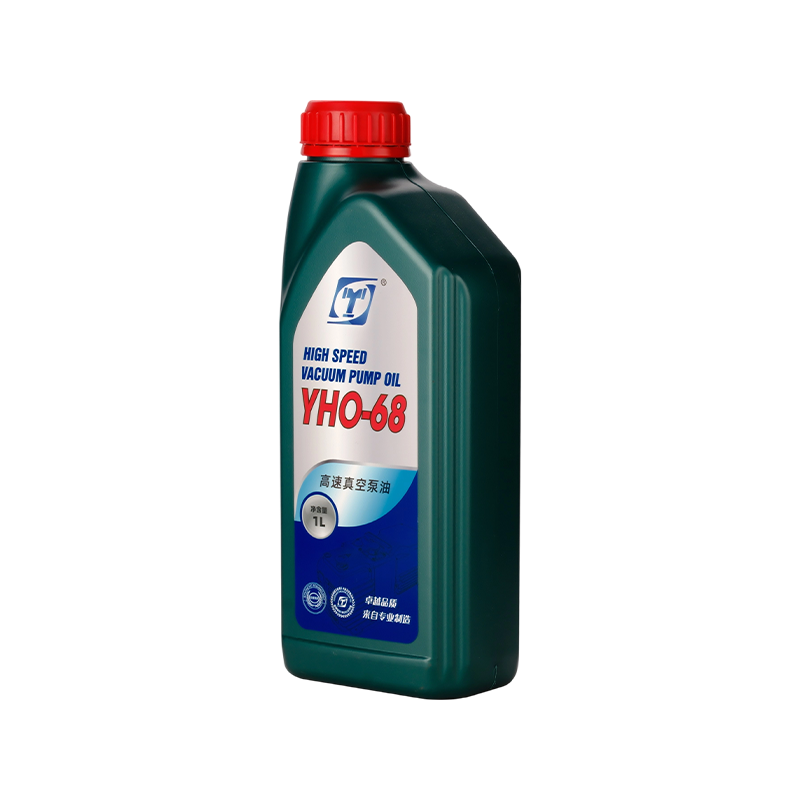
Most units in this category are oil-sealed, meaning the pump oil does double duty: it lubricates the vanes and also acts as a sealing medium between the compression chambers. That oil layer matters more than people sometimes realize — it directly affects both the ultimate vacuum depth and how long the internal surfaces hold up over time.
The petroleum refining and petrochemical sectors were among the early adopters, largely because their core processes — distillation, solvent stripping, reactor evacuation — generate flammable vapors as a matter of course. Pharmaceutical manufacturers followed, especially in tablet coating and vacuum drying applications where ethanol and isopropanol concentrations can climb quickly in enclosed spaces.
Coatings and adhesives producers use explosion-proof vacuum pumps during mixing and transfer steps. Electronics fabrication facilities need them for thin-film deposition and chamber evacuation in areas where silane or similar reactive gases are used. Even food processing operations that rely on flammable cleaning solvents or modified-atmosphere packaging have found a use for them.
The common thread isn't a single industry — it's a shared problem. Any facility where a standard motor running near a process stream could become an ignition source has good reason to look at explosion-proof vacuum equipment.
Oil changes are the discussed maintenance task for rotary vane pumps, and for good reason — degraded oil reduces vacuum depth and accelerates vane wear faster than operators expect. But a few other things tend to slip through the cracks in busy facilities.
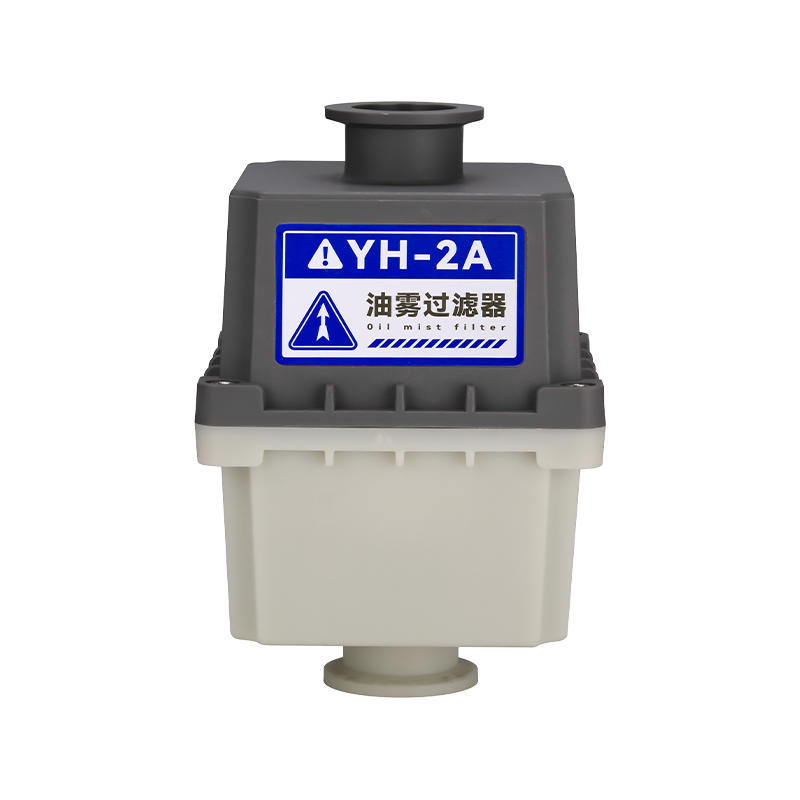
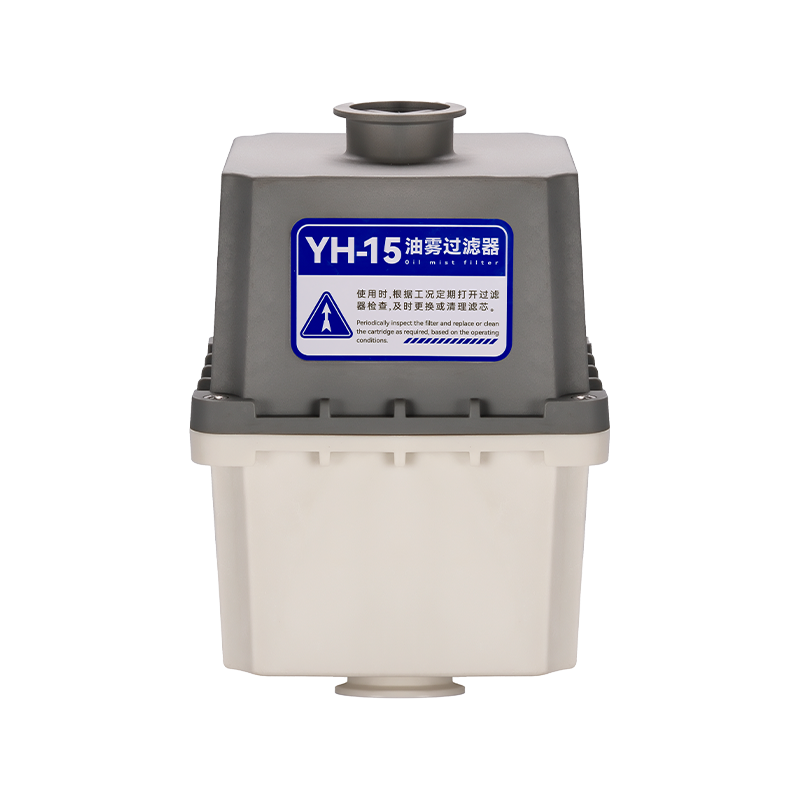
Inlet filters are one of them. A partially blocked filter changes the load on the pump, and in processes where condensable vapors are present, those filters can become saturated without triggering an obvious alarm. Checking them on a regular schedule — rather than waiting for a performance drop — saves grief down the line.
For explosion-proof models specifically, the integrity of the motor housing seals deserves attention after any service event. Replacing oil or vanes requires opening parts of the unit, and it's not uncommon for cable glands or housing gaskets to be reassembled incorrectly. An Explosion-Proof Double-Stage Rotary Vane Vacuum Pump that's mechanically sound but has a compromised explosion-proof enclosure isn't a safe pump — it just looks like one.
When sizing a unit for a new application, engineers should factor in not just the required vacuum level and pumping speed, but also the gas composition, expected inlet temperature, and how often the pump will cycle. Oversized pumps that run lightly loaded for long periods can develop oil contamination issues that a correctly sized unit wouldn't face. Getting that spec right from the start tends to pay off over the life of the equipment.



1B, Phase 1, Liandong U Valley Linhai Intelligent Industrial Park, Jiangnan Street, Linhai City, Zhejiang, China.
Xiaaoyu, Jiangnan Street, Linhai City, Zhejiang, China.
Copyright © Taizhou Yonghao Vacuum Equipment Co., Ltd.
Vacuum Pump Factory


