
 English
 中文简体
中文简体Anyone who has spent real time in a lab knows how much a noisy piece of equipment can wear on a room...
READ MOREVacuum Equipment
-
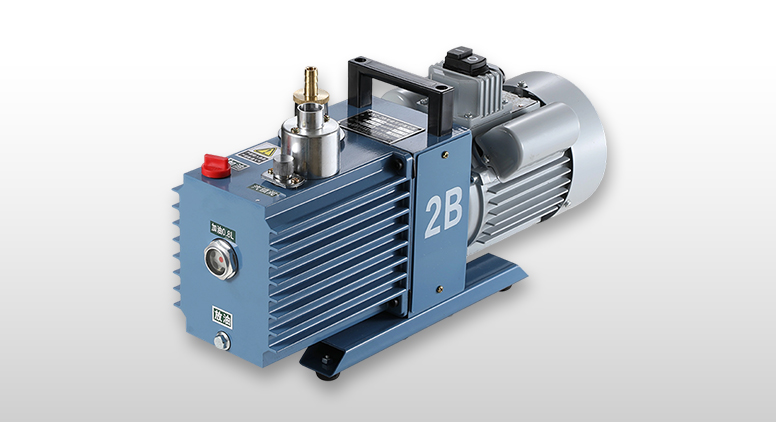
Rotary Vane Vacuum Pump
View MoreRotary vane vacuum pumps are widely used, oil-sealed mechanical pumps known for their compact design, reliable performance, and high efficiency. These pumps operate using a rotor positioned eccentrically within a cylindrical housing, with multiple vanes sliding in and out to create increasing and decreasing volumes that generate a vacuum. This design ensures continuous suction and discharge, making them ideal for applications requiring steady vacuum levels.
One of the key features of rotary vane vacuum pumps is their low noise operation, easy maintenance, and durable construction. Most models are oil-lubricated to enhance sealing and cooling, improving the pump's life span and performance stability. They typically achieve vacuum levels down to 0.1 mbar, making them suitable for both low and medium vacuum applications.
These pumps are commonly used in laboratories, packaging machines, medical equipment (such as suction units), HVAC systems, automotive brake line evacuation, and printing presses. In industrial settings, they support processes like degassing, drying, filtration, and coating.
With their balance of affordability, performance, and versatility, rotary vane vacuum pumps remain a preferred solution across multiple industries. Whether for research, manufacturing, or technical service, they deliver consistent and efficient vacuum performance.
-
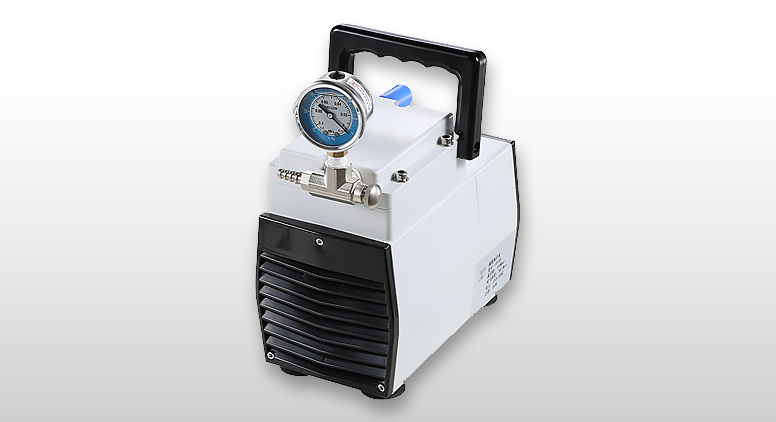
Diaphragm Vacuum Pump
View MoreDiaphragm vacuum pumps are dry-running, oil-free pumps known for their clean operation, chemical resistance, and low maintenance needs. Unlike rotary vane pumps, diaphragm pumps operate using a flexible diaphragm that moves up and down to create a vacuum, eliminating the need for lubricants or sealing fluids. This makes them ideal for applications requiring contamination-free pumping, especially in environments sensitive to oil vapor or particulate contamination.
Key features of diaphragm vacuum pumps include quiet operation, compact size, and high corrosion resistance, particularly when equipped with PTFE-coated diaphragms and chemically resistant wetted parts. These pumps are especially suited for working with aggressive gases, vapors, and solvents, commonly found in chemical, pharmaceutical, and laboratory settings.
Typical applications include filtration, degassing, distillation, drying, and vacuum concentration in labs, as well as use in medical equipment, gas sampling, and environmental analysis. Their ability to operate continuously without oil changes or contamination risk makes them a reliable and eco-friendly choice.
Thanks to their robust design, simple maintenance, and oil-free operation, diaphragm vacuum pumps are widely preferred in fields requiring clean, efficient, and low-vacuum-level performance with minimal servicing.
-
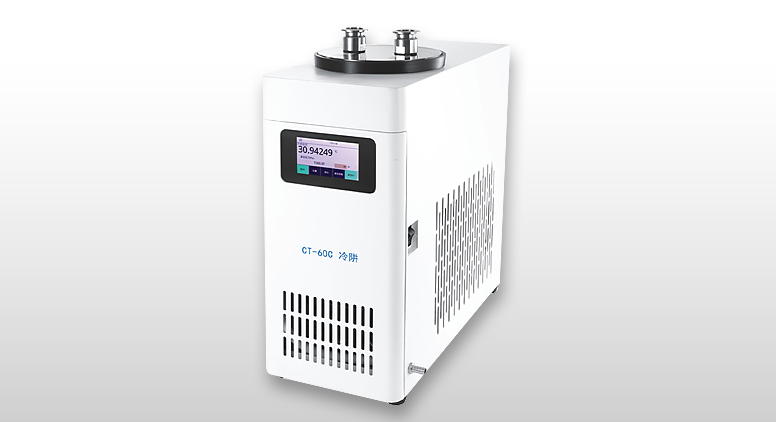
Cold Trap
View MoreThe main function of a cold trap is to condense or trap gases, vapors, or liquids through a low-temperature surface to improve the vacuum degree, separate substances, protect equipment, or recover solvents. Its core functions include preventing vapors from entering measuring instruments, enhancing the efficiency of vacuum pumps, separating substances with different melting points, and reducing the damage of corrosive gases to equipment.
-
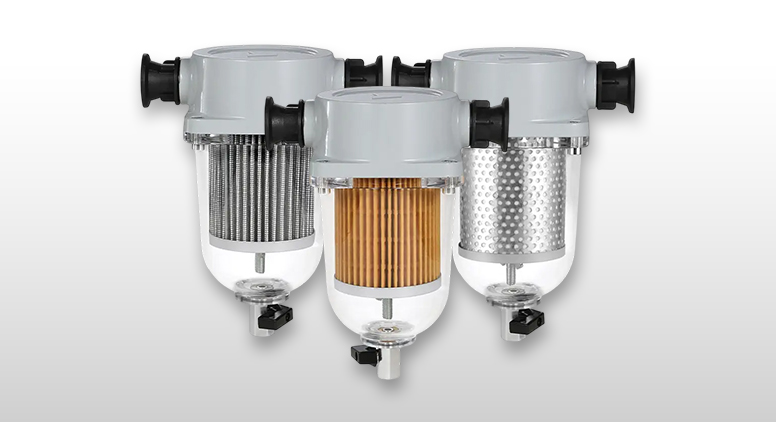
Vacuum Pump Accessories
View MoreYONGHAO, as a professional manufacturer specializing in vacuum pump accessories, offers a comprehensive range of high-quality components designed to enhance the performance and longevity of your vacuum systems. Our product portfolio primarily includes pre-filters, threaded adapters, flange adapters and clamps, hoses, oil mist filters, and vacuum pump oils.
Our pre-filters effectively protect vacuum pumps by removing dust, acid gases, and oil-water mixtures, ensuring cleaner operation and reducing the need. The threaded adapters and flange adapters provide reliable and precise connections compatible with a variety of pump models and standard vacuum fittings, facilitating seamless integration into existing systems. Additionally, our durable clamps guarantee secure hose and pipe connections, preventing leaks and system downtime.
We supply flexible, reinforced vacuum hoses in multiple diameters, crafted from premium materials to withstand vacuum pressure and environmental factors. Our oil mist filters play a crucial role in capturing oil particles and reducing emissions, contributing to a safer and cleaner working environment. Complementing these components, our specially formulated vacuum pump oils offer outstanding thermal stability, anti-foaming, and anti-emulsification properties to ensure lubrication and pump efficiency.
Committed to precision and quality, our vacuum pump accessories meet stringent industry standards, providing reliable solutions that optimize vacuum system performance across laboratory, industrial, and research applications.
About Us
Taizhou Yonghao Vacuum Equipment Co., Ltd.
Yonghao Vacuum was established in 2012 and is headquartered in Linhai City, Zhejiang Province. We are a high-tech enterprise specializing in the research and development, production, and service of vacuum acquisition equipment and Silent Vacuum Pump. The company has gathered an experienced team of vacuum technology experts equipped with advanced manufacturing equipment, dedicated to providing customers with comprehensive vacuum solutions. With outstanding technical strength and innovation capability, Yonghao Vacuum has become a leading vacuum equipment manufacturer in the industry.
News
-
-
Explosion-proof rotary vane vacuum pump models serve various sectors where safe vacuum generation ma...
READ MORE -
Diaphragm Technology Creates Stable Vacuum Performance The working principle of an Oil-Free Silent D...
READ MORE -
If you have ever worked in a laboratory or a clean manufacturing environment, you know that vacuum p...
READ MORE
Industry knowledge
Vacuum equipment, as a critical infrastructure in modern industry and scientific research, is widely used in scientific experiments, manufacturing, material processing, and life sciences. Vacuum equipment refers to mechanical devices and systems capable of extracting gas from a sealed space to create an environment below atmospheric pressure. A vacuum is essentially a state where the density of gas molecules is far lower than in a normal pressure environment. This state can alter the physical properties of materials and enable processes and techniques that are impossible under normal pressure.
Vacuum Equipment Fundamentals and Classification
Vacuum equipment mainly consists of a vacuum source (such as a vacuum pump), a vacuum chamber, and related pipelines, valves, and control systems. The vacuum pump is the core component, and can be classified according to its pumping principle:
1. Classification by Working Principle
- Positive displacement pumps: Utilize mechanical motion to change the volume of the pump chamber to extract gas.
- Dry pumps: Operate without lubricating oil or medium, reducing contamination and suitable for applications requiring high cleanliness.
- Gas transfer pumps: Achieve molecular-level transfer through high-speed gas flow, commonly used in high vacuum applications.
2. Common Vacuum Pump Types
| Type | Working Method | Features | Typical Applications |
| Positive Displacement Vacuum Pump | Mechanical isolation of gas | Can achieve low vacuum | Laboratories, drying |
| Diaphragm Pump | Diaphragm vibration exhaust | Oil-free, low maintenance | Chemically corrosive environments |
| Scroll Vacuum Pump | Relative eccentric scroll compression | Low noise, oil-free | Promotes clean experimental environments |
| Roots Pump | External pump to increase pumping speed | Medium to high pumping speed | Industrial large-volume pumping |
The table lists some of the mainstream types of vacuum equipment, each with its own emphasis on performance, structure, and applicable scenarios.
Technical Core: Vacuum Pump Design and Working Mechanism
1. Vacuum Pump Design Fundamentals
The design goal of a vacuum pump is to achieve continuous gas extraction until the target vacuum level is reached through effective sealing and mechanical structure. Taking the rotary vane vacuum pump as an example, it is an oil-sealed positive displacement pump that uses an eccentric rotor to drive the vanes, drawing gas into the pump body, compressing it, and then expelling it, thereby reducing the pressure in the chamber.
2. Common Technical Considerations
- Ultimate vacuum: The low pressure value the pump can achieve, representing the upper limit of the equipment's performance.
- Pumping speed: The volume of gas pumped per unit time, affecting how quickly the target vacuum is reached.
- Noise and vibration: In experimental or production environments, low-noise design contributes to safety and comfort.
- Steam and Chemical Resistance: Stability when operating in high steam or corrosive environments.
Typical Application Scenarios
Vacuum equipment has a very wide range of applications. The following are some typical scenarios and the required technical characteristics:
1. Laboratory Research
Laboratory vacuum requirements usually include stability, cleanliness, and controllability. For example, it is used to create a low-pressure environment in physics experiments; in chemical experiments, it is used for processes such as reduced-pressure distillation, drying, and degassing. Vacuum pumps can be used to lower the boiling point of solvents to protect sensitive samples.
In this type of application, Laboratory-Grade Silent Vacuum Pumps are often used in environments requiring low noise and high cleanliness, such as in spectroscopic analysis or ultra-precision measurement experiments.
2. Material Drying and Preparation
Vacuum drying can remove moisture or solvents from materials at lower temperatures, which is especially important for heat-sensitive materials. Compared with atmospheric drying, vacuum drying can significantly reduce the risk of thermal damage, especially in the fields of medicine and biomaterials.
Technical points include:
- Precise control of vacuum degree and temperature
- Preventing sample oxidation or thermal denaturation
- Improving drying uniformity
3. Freeze-Drying Process
Rotary Vane Pumps for Vacuum Drying Ovens and Freeze Dryers are common vacuum sources in this process, used to sublimate water under vacuum conditions after freezing the sample, achieving drying while preserving the material's microstructure. Because the freeze-drying process requires high vacuum stability, the vacuum pump needs to have reliable pumping capacity in the low-pressure region.
Practical Equipment Selection Guide
When choosing suitable vacuum equipment, a comprehensive assessment of the target application and site conditions is required. The following are some key considerations:
1. Vacuum Degree Range
- Low vacuum: Suitable for simple pumping and air displacement.
- Medium vacuum: Commonly used in drying and light processes.
- High vacuum: Preferred for scientific research and precision processes.
2. Pumping Speed
Depends on the chamber volume and target vacuum requirements; larger volume systems require higher pumping speed configurations.
3. Noise and Maintenance
Oil-free pumps or low-noise designs contribute to a better experimental environment and improve overall equipment usability.
4. Operating Environment
If corrosive gases or water vapor are present, a pump with strong chemical resistance or a waterproof design should be selected.
5. Maintenance and Daily Management
To ensure the long-term stable operation of vacuum equipment, good daily maintenance is crucial:
- Regularly check the oil quality and filter elements (vacuum pumps require regular replacement of vacuum oil and filter media)
- Clean pipelines and interfaces to prevent blockages that can reduce pumping efficiency
- Monitor the operating status of the vacuum pump, including temperature, vibration, and noise
- Appropriate cooling and ventilation design will extend the equipment's lifespan
Vacuum equipment plays an increasingly important role in modern industry and scientific research. Different types of vacuum pumps are suited to different application scenarios due to their technical characteristics.
contact us
Haven’t Found The Products You Want?
Enter your email...


Address

1B, Phase 1, Liandong U Valley Linhai Intelligent Industrial Park, Jiangnan Street, Linhai City, Zhejiang, China.
Xiaaoyu, Jiangnan Street, Linhai City, Zhejiang, China.
Mobile
Copyright © Taizhou Yonghao Vacuum Equipment Co., Ltd.
Rotary Vane Pump For Vacuum Drying Ovens And Freeze Dryers Supplier
