
 English
 中文简体
中文简体Why Silence Matters In AC Repair Air conditioning repair often takes place in quiet environments: a ...
READ MOREOil Mist Filter
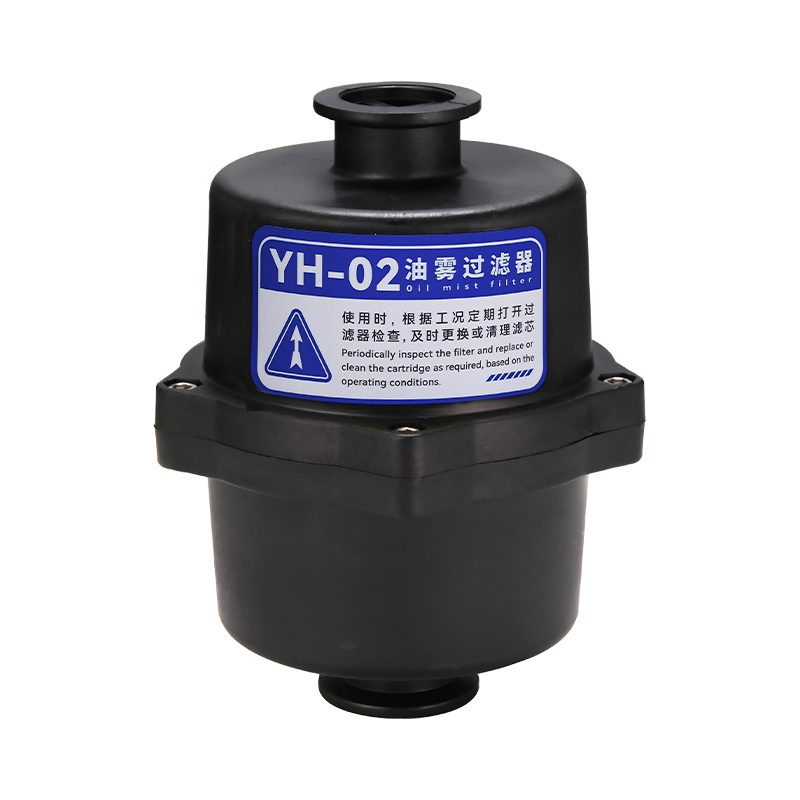
As a professional oil mist filter manufacturer, our filters are meticulously designed to capture and remove oil mist particles effectively, ensuring the longevity and efficiency of your vacuum systems. Crafted from durable materials, our filters are built to withstand the rigors of continuous operation in demanding environments.
Our oil mist filters are known for their robust construction, which includes precision-engineered components that facilitate easy installation and maintenance. They are designed to reduce downtime and maintenance costs, offering a cost-effective solution for your vacuum pump needs. With a focus on user convenience, our filters are compatible with a wide range of vacuum models, making them a versatile choice for various applications.
We are committed to delivering products that meet the industry standards, and our vacuum pump oil mist filters are no exception. They are rigorously tested to ensure they exceed expectations in terms of filtration efficiency and operational reliability. By choosing our oil mist filters, you are investing in a product that not only protects your equipment but also enhances the overall performance of your vacuum system.
-
-
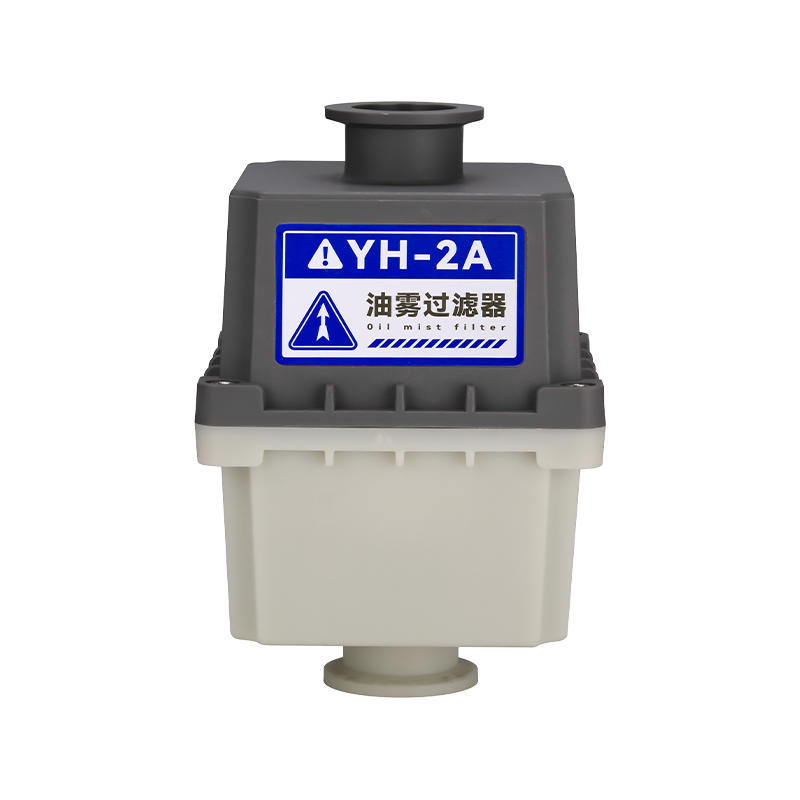
Model: YH-2A
YH-2A Quick-Release High Efficiency Oil Mist Filter -
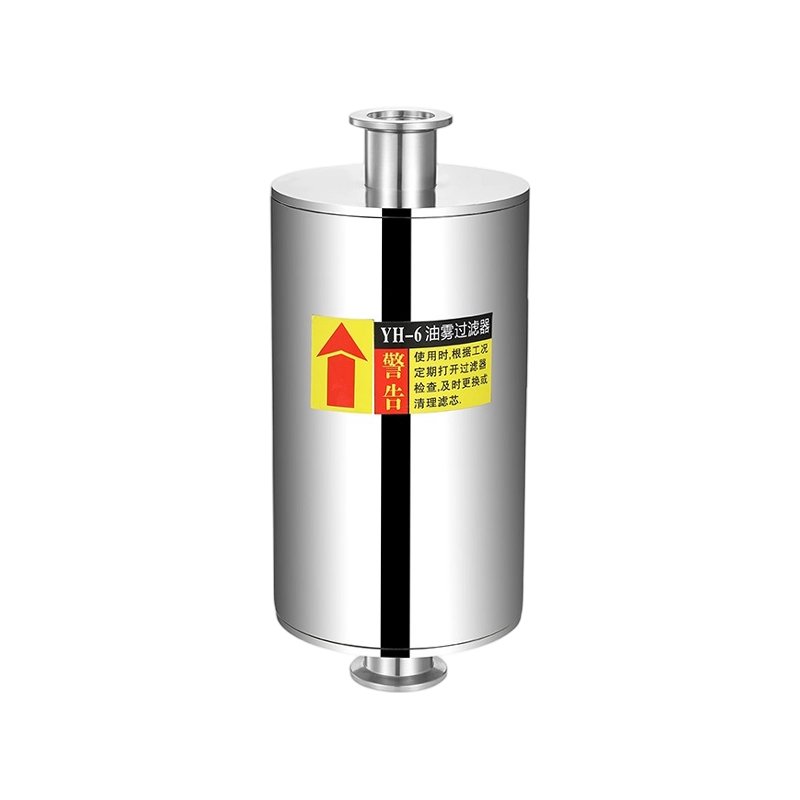
Model: YH-06
YH-06 Oil Mist Filter Vacuum Pump Accessories -
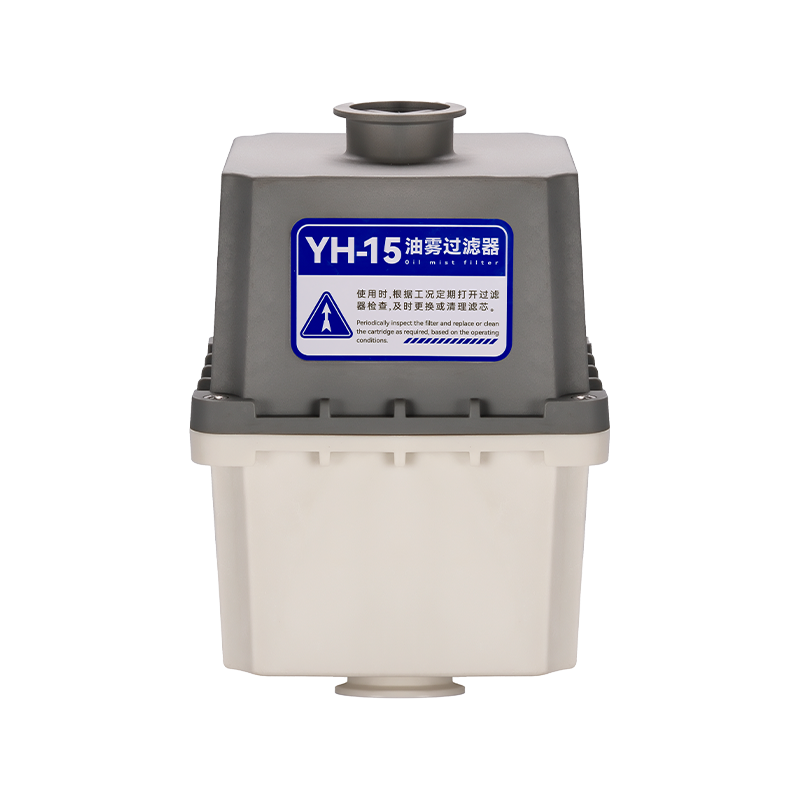
Model: YH-15
YH-15 Large Flow Oil Mist Filter Purifier
About Us
Taizhou Yonghao Vacuum Equipment Co., Ltd.
Yonghao Vacuum was established in 2012 and is headquartered in Linhai City, Zhejiang Province. We are a high-tech enterprise specializing in the research and development, production, and service of vacuum acquisition equipment. The company has gathered an experienced team of vacuum technology experts equipped with advanced manufacturing equipment, dedicated to providing customers with comprehensive vacuum solutions. With outstanding technical strength and innovation capability, Yonghao Vacuum has become a leading Sale Oil Mist Filter manufacturer in the industry.>vacuum equipment manufacturer in the industry.
News
-
-
When a factory needs to remove air from a sealed space, they often call on a device called an indust...
READ MORE -
The oil-lubricated rotary vane vacuum pump remains one of the more widely specified vacuum technolog...
READ MORE -
How Silent Vacuum Pumps Fit into Modern Labs Labs deal with fussy samples and super‑sensitive measur...
READ MORE
Industry knowledge
During the operation of a vacuum pump, lubricating oil is carried into the pump chamber by the moving parts of the pump body. A portion of this oil is expelled with the gas, forming an oil mist. This oil mist is composed of tiny, dispersed particles that easily adhere to various surfaces in the production environment, causing the following problems:
- Air pollution: Oil mist particles suspended in the air can, over time, affect the respiratory system of operators.
- Equipment contamination: Oil mist deposits on equipment surfaces can affect the normal operation of sensors, valves, and pipelines.
- Environmental pressure: With increasingly stringent environmental regulations, reducing oil mist emissions has become an important aspect of equipment management.
Therefore, adopting effective oil mist filtration measures is not only a requirement for industrial safety but also a requirement of environmental regulations.
Basic Principles and Structure of Oil Mist Filter Elements
Oil mist filters are primarily used to capture oil mist discharged from vacuum pumps, preventing it from entering the workshop environment or being released into the atmosphere. The oil mist filter element is the core component of the oil mist filter, and its structural design directly determines the filtration effect. Generally, the filter element uses multi-layer fiber materials that effectively trap oil droplets while allowing air to pass through smoothly.
Its working principle can be simply described as follows: oil mist gas enters the filter, the airflow passes through multiple layers of filter material, oil droplets condense on the surface of the filter material to form larger droplets, which then return to the pump's oil tank through gravity or a return pipeline for recycling.
Common features include:
- High-efficiency separation of oil droplets and air
- Minimal impact on vacuum pump gas flow rate
- Adaptable to different viscosities and types of lubricating oil
Advantages of Re-usable Oil Mist Filters
In recent years, reusable oil mist filters have attracted increasing attention from industrial users. These filters can be cleaned and reused, reducing the cost and environmental burden of frequent filter element replacement. Their advantages are mainly reflected in the following aspects:
- Economical: Longer service life reduces the frequency of filter element replacement.
- Environmentally friendly: Reduces the generation of waste filter elements, contributing to waste management.
- Convenient maintenance: Simple maintenance can be achieved through flushing or low-pressure gas cleaning.
Compared to disposable filter elements, reusable oil mist filters are more suitable for large industrial equipment and scenarios requiring long-term continuous operation.
Popular Applications and Trends
With the development of industrial technology and increased environmental awareness, the application scenarios of vacuum pump oil mist filters are constantly expanding, including:
- Pharmaceutical industry: High requirements for air cleanliness; oil mist filters reduce pollution risks.
- Electronics manufacturing: Precision equipment is sensitive to particulate contamination; filters ensure the quality of the production environment.
- Food processing: Prevents oil mist from entering the production line, ensuring food safety.
- Chemical industry: Reduces organic oil vapor emissions, complying with environmental regulations.
Future development trends mainly include:
- High efficiency: Improving the capture efficiency of filter materials for tiny oil droplets.
- Intelligentization: Integrating monitoring systems to achieve real-time monitoring of oil mist concentration.
- Energy saving: Reducing air resistance and minimizing the impact on vacuum pump operating power consumption.
Oil Mist Filter Selection Suggestions
When choosing a vacuum pump oil mist filter, the following factors should be considered:
- Pump displacement and type: Different pump displacements correspond to different filter capacities.
- Oil type: High-viscosity and low-viscosity oils require different filter materials.
- Environmental requirements: Requirements for air cleanliness and emission standards in the production environment.
- Maintenance frequency: Whether to choose a reusable filter element.
The following is a reference table for common vacuum pump oil mist filter parameters:
| Parameter Category | Description | Recommended Range |
| Filtration Efficiency | Ability to capture oil mist particles | 90% ~ 98% |
| Applicable Oil Viscosity | Type of lubricating oil compatible with the filter element | 20~100 cSt |
| Maximum Flow Rate | Gas flow rate that the filter can handle | 10~500 m³/h |
| Service Life | Number of times or period the filter element can be reused | 6~12 months or more than 10 cleanings |
| Pressure Drop | Pressure drop generated when air passes through the filter element | 50~200 Pa |
Maintenance and Repair Suggestions
To ensure the long-term effective operation of the oil mist filter, maintenance and repair are crucial. Main suggestions include:
- Regularly check the filter element for clogging or oil accumulation.
- Reusable filter elements should be cleaned according to instructions to maintain the integrity of the filter material.
- Regularly check the filter connection pipes to ensure there are no leaks.
- Update seals or auxiliary components when necessary to ensure system sealing.
In addition, some modern oil mist filters can be equipped with monitoring devices to display the filter element status in real time, facilitating maintenance planning. Vacuum pump oil mist filters are becoming increasingly widely used in industrial production. The selection of their core components, the Oil Mist Filter Element and the Re-usable Oil Mist Filter, directly impacts equipment efficiency, environmental protection, and production safety.
contact us
Haven’t Found The Products You Want?
Enter your email...


Address

1B, Phase 1, Liandong U Valley Linhai Intelligent Industrial Park, Jiangnan Street, Linhai City, Zhejiang, China.
Xiaaoyu, Jiangnan Street, Linhai City, Zhejiang, China.
Mobile
Copyright © Taizhou Yonghao Vacuum Equipment Co., Ltd.
Re-usable Oil Mist Filter Producer
