
 English
 中文简体
中文简体Anyone who has spent real time in a lab knows how much a noisy piece of equipment can wear on a room...
READ MOREVacuum Hose
Our vacuum hoses are engineered to deliver reliable, flexible connections for a wide range of vacuum systems. We offer two main types of hose materials: high-grade rubber and PVC with steel wire reinforcement, each designed to meet specific performance needs in laboratory and industrial settings.
The rubber vacuum hoses feature outstanding flexibility, heat resistance, and vacuum sealing capability, making them ideal for standard applications requiring frequent movement or bending. They maintain airtight performance under sustained negative pressure and are easy to cut and fit as needed.
The PVC steel wire vacuum hoses provide enhanced durability and structural strength. Their transparent design allows for easy visual inspection of flow or condensation. Reinforced with spiral steel wire, these hoses resist collapse under high vacuum and are particularly suited for oil mist or condensate-heavy environments.
We provide 900mm and 1000mm lengths and can also be ordered by the meter for custom setups. Compatible with a variety of adapters and clamps, our vacuum hoses ensure secure, leak-proof connections and long service life. Whether you're outfitting a research lab or upgrading an industrial line, our vacuum hoses offer the dependable performance your system demands.
-
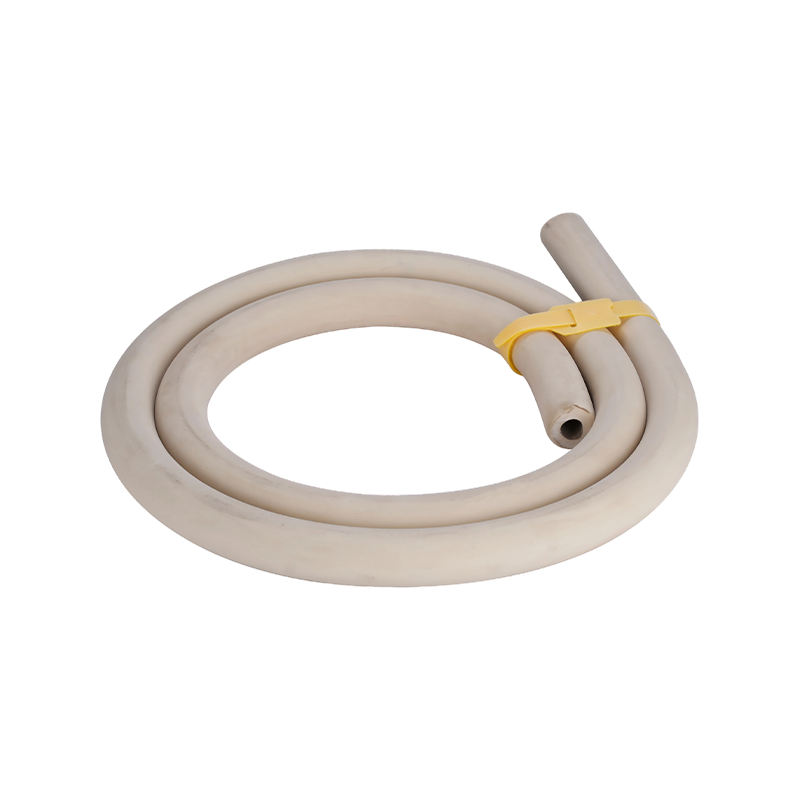
-
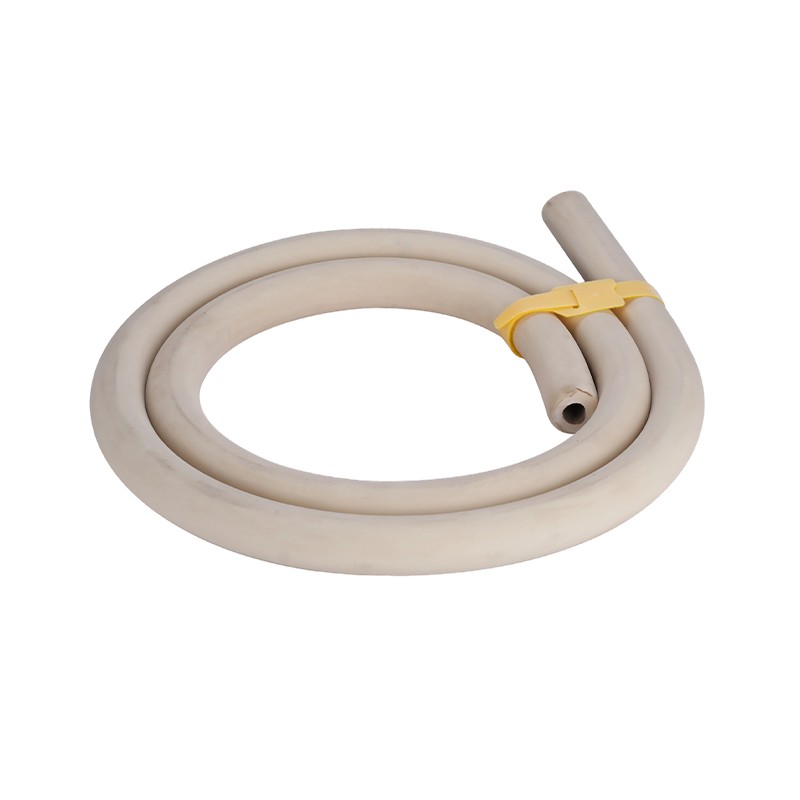
Model: DN 10
DN 10mm Vacuum Rubber Hose -
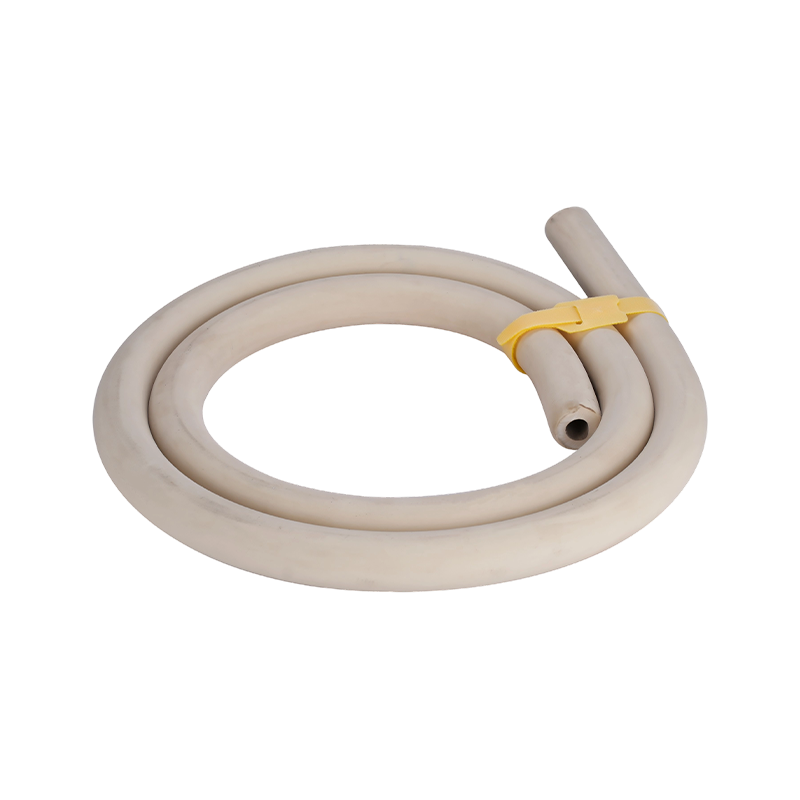
Model: DN 14
DN 14mm Vacuum Rubber Hose -
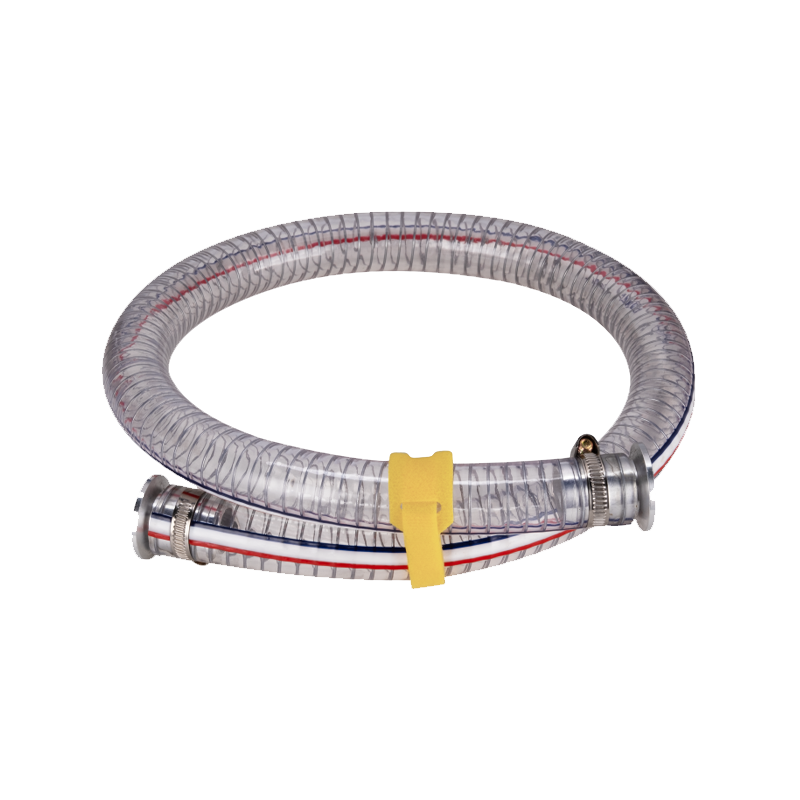
Model: DN KF25
DN KF25 Interface PVC Steel Wire Flexible Hose
About Us
Taizhou Yonghao Vacuum Equipment Co., Ltd.
Yonghao Vacuum was established in 2012 and is headquartered in Linhai City, Zhejiang Province. We are a high-tech enterprise specializing in the research and development, production, and service of vacuum acquisition equipment. The company has gathered an experienced team of vacuum technology experts equipped with advanced manufacturing equipment, dedicated to providing customers with comprehensive vacuum solutions. With outstanding technical strength and innovation capability, Yonghao Vacuum has become a leading Sale Vacuum Hose manufacturer in the industry.>vacuum equipment manufacturer in the industry.
News
-
-
Explosion-proof rotary vane vacuum pump models serve various sectors where safe vacuum generation ma...
READ MORE -
Diaphragm Technology Creates Stable Vacuum Performance The working principle of an Oil-Free Silent D...
READ MORE -
If you have ever worked in a laboratory or a clean manufacturing environment, you know that vacuum p...
READ MORE
Industry knowledge
Vacuum pump vacuum hoses are crucial components connecting the pump body, piping, and equipment. Their material, flexibility, and pressure resistance directly affect the performance of the vacuum system.
Functions and Roles of Vacuum Hoses
The core functions of vacuum pump hoses in the system include:
Gas Transmission
- Transmitting gas or vacuum flow between the pump body and equipment to ensure system efficiency.
Flexible Interface Connection
- Flexible hoses can be bent and adjusted in length, facilitating complex piping layouts or equipment movement.
System Vibration Damping
- Hoses can buffer pump vibrations and mechanical stress, reducing pipe damage.
Chemical and Temperature Resistance
- Providing protection against the corrosiveness and temperature changes of the transported gas or vapor.
Ease of Maintenance
- Quick assembly and modular design make system maintenance and modification more efficient.
In some high-precision applications, vacuum pump hose assemblies can be closely integrated with the pump system for quick connection and higher airtightness.
Material Properties and Working Principles
Vacuum pump hoses differ in performance and application scenarios depending on their material and structure:
1. Material Characteristics
- PVC and Polyurethane Hoses
Lightweight and flexible, suitable for low-pressure and laboratory environments.
- Silicone Hoses
High temperature and chemical resistance, suitable for high-temperature or organic gas conditions.
- Metal Spiral Hoses (Stainless Steel)
High pressure resistance and wear resistance, suitable for high vacuum and industrial piping.
- Composite Material Hoses
Corrosion-resistant inner layer and reinforced outer layer, combining flexibility and strength.
2. Working Principle
The core function of a vacuum hose is to transmit gas through a sealed pipe while ensuring interface sealing. The flexible structure can adapt to pipe bends, reducing mechanical stress between the pump body and equipment. For high-flow systems, the hose cross-sectional area and inner wall smoothness directly affect flow resistance and pump efficiency.
Vacuum Hose Classification and Characteristics Comparison
| Type | Material | Characteristics | Applicable Conditions | Advantages and Disadvantages |
| PVC Flexible Hose | Polyvinyl Chloride | Lightweight, good flexibility | Laboratory, low-pressure systems | Prone to aging, low temperature resistance |
| Silicone Hose | Silicone | High temperature resistance, corrosion resistance | High temperature or organic gases | Strong elasticity, but limited pressure resistance |
| Metal Spiral Hose | Stainless Steel | High pressure resistance, wear resistance | Industrial high vacuum | Lower flexibility, high cost |
| Composite Reinforced Hose | Polymer Composite Material | Internal corrosion protection, external reinforcement | High corrosion, high flow rate | Balanced performance, slightly heavier |
The table provides a clear comparison of different hose materials and performance, helping to select the appropriate hose type based on the actual application scenario.
Design and Selection Strategy
When selecting a vacuum pump hose, the following factors need to be considered:
Pipe Diameter and Flow Rate Matching
- Larger inner diameter results in less flow loss, but flexibility may decrease.
- For high-flow systems, it is recommended to choose hoses with smooth inner walls and appropriate cross-sections.
Temperature and Chemical Resistance
- For high-temperature or chemical gas environments, silicone or metal spiral hoses should be selected.
Flexibility and Layout Requirements
- For complex piping or frequently moving equipment, a highly flexible hose should be chosen.
Connection Interface
- The hose interface must match the pump body, piping, and auxiliary equipment to maintain airtightness.
- Vacuum pump hose assemblies can provide quick disassembly and modular interfaces.
Maintenance and Lifespan
- Removable and cleanable hoses facilitate maintenance and extend service life.
- Proper selection can improve system operational flexibility and maintenance efficiency while ensuring pump efficiency and sealing.
Point-by-Point Analysis: Maintenance and Optimization Suggestions
- Regularly inspect hose wear: Bending or aging may air leaks.
- Clean the inside of the hose: Dust or liquid droplets can increase flow resistance and reduce pump efficiency.
- Check interface sealing: Loose interfaces or aging seals will affect the vacuum level.
- Avoid excessive bending: Too small a bending radius will reduce the hose lifespan.
- Spare parts management: Keep common hoses and connectors in stock to ensure rapid system maintenance.
These measures help ensure the long-term stable operation of the hose and optimize the efficiency of the vacuum system.
Popular Application Areas
Research Laboratories
- Flexible PVC or silicone hoses are used in experimental vacuum systems, supporting rapid pipeline setup.
Semiconductor Industry
- High-purity gas transmission requires smooth inner walls of the hoses; silicone or composite reinforced hoses are widely used.
Chemical and Pharmaceutical Plants
- In environments with highly corrosive gases and vapors, metal spiral or composite hoses ensure system safety.
Food and Cryogenic Industries
- Flexible pipelines facilitate equipment movement, and the materials must meet safety and hygiene standards.
These applications demonstrate the importance and versatility of hoses under different operating conditions.
Technological Trends
With the development of industrial and scientific research needs, vacuum pump hoses show the following trends:
Modularity and Quick Connection
- Hose assemblies support quick disassembly and system expansion.
High Corrosion-Resistant Materials
- Composite materials and metal spiral hoses are widely used, increasing system lifespan.
Optimized Flexible Design
- Highly flexible hoses meet the needs of complex pipeline layouts and mobile equipment.
Intelligent Monitoring
- Pressure sensors and flow monitoring combined with hoses enable leak detection and early warning.
Environmental Protection and Energy Saving
- The use of recyclable materials and low-resistance designs improves system efficiency and sustainability.
These trends enhance the overall performance and ease of maintenance of pump systems.
System Optimization and Installation Suggestions
- Layout Planning: Reduce unnecessary bends to lower flow resistance.
- Interface Matching: Ensure good sealing between the hose and the pump, piping, and accessories.
- Maintenance Cycle: Develop a hose replacement or cleaning plan based on operating conditions.
- Material Selection: Choose appropriate materials based on temperature, pressure, and gas characteristics.
- Flexibility Management: Avoid excessive stretching or bending to extend hose lifespan.
By optimizing installation and maintenance strategies, hoses can achieve good performance in vacuum systems.
contact us
Haven’t Found The Products You Want?
Enter your email...


Address

1B, Phase 1, Liandong U Valley Linhai Intelligent Industrial Park, Jiangnan Street, Linhai City, Zhejiang, China.
Xiaaoyu, Jiangnan Street, Linhai City, Zhejiang, China.
Mobile
Copyright © Taizhou Yonghao Vacuum Equipment Co., Ltd.
China Vacuum Pump Hose Assembly
