
 English
 中文简体
中文简体


Haven’t Found The Products You Want?
Enter your email...
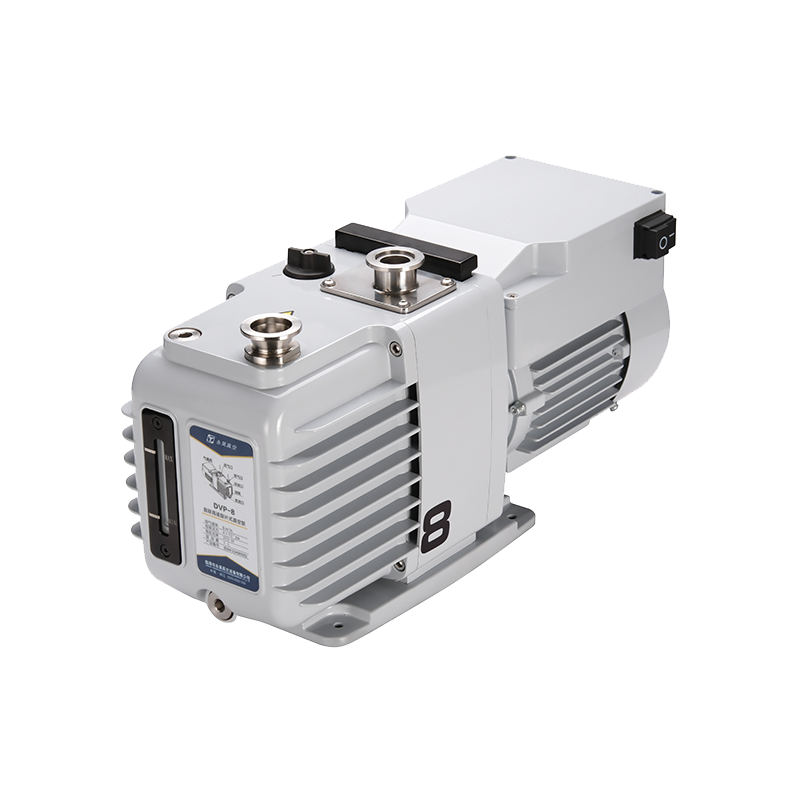
Industrial dual-phase portable vacuum extraction systems are highly efficient technological devices used for contaminated site remediation. They achieve "dual-phase" remediation by creating negative pressure to simultaneously extract liquid and vapor phase contaminants from soil and groundwater. The system consists of a vacuum pump, liquid-gas separator, extraction wells, control and monitoring devices, and contaminant treatment devices, offering both portability and flexibility. This technology is suitable for fuel storage tank leaks, petroleum contamination, and volatile organic compound (VOC) contaminated sites, improving remediation efficiency, shortening treatment cycles, and integrating with treatment technologies such as air stripping, oil-water separation, and activated carbon adsorption to achieve safe extraction and treatment of contaminants. It is an important solution for industrial environmental remediation.
Basic Principles of Dual-Phase/Multi-Phase Extraction Technology
Dual-phase extraction technology, as the name suggests, refers to the technology of simultaneously extracting liquid and vapor phase contaminants from soil and groundwater. It typically uses a vacuum pump to create negative pressure, causing continuous flow of air and groundwater in the contaminated area, thereby carrying contaminants out of the soil or groundwater layer.
In practical applications, dual-phase extraction systems can effectively treat volatile organic compounds (VOCs), petroleum pollutants, and some semi-volatile organic compounds (SVOCs). Through reasonable design of the extraction well grid layout and vacuum negative pressure, the system can achieve efficient remediation of the contaminated area while ensuring safety. Compared with traditional single-phase extraction technology, dual-phase extraction technology not only reduces the remediation cycle but also significantly reduces the impact on the surrounding environment.
Design and Composition of Portable Vacuum Extraction Systems
The core advantage of portable dual-phase extraction systems lies in their mobility and flexibility. The system typically consists of the following parts:
The portable system's design considers on-site construction complexity, ease of transportation, and rapid deployment capabilities, making it particularly suitable for small or temporary pollution remediation projects, enabling rapid response and treatment of contaminated sites in a short time.
Application of Dual-Phase Vacuum Extraction in Contaminated Site Remediation
In contaminated site remediation, dual-phase portable vacuum extraction systems have demonstrated broad application value. Typical application scenarios include fuel storage tank leaks, refinery residual contamination, and industrial wastewater leakage areas.
For example, in the case of underground fuel storage tank leaks at gas stations, traditional soil excavation methods are not only costly but also easily damage surface facilities. Using dual-phase extraction technology, volatile and liquid pollutants can be extracted directly from contaminated soil and groundwater through a network of extraction wells and a negative pressure system, enabling on-site remediation.
Furthermore, this technology can flexibly adapt to complex geological conditions. In sites with multi-layered soil structures or alternating aquifers, adjusting the extraction pressure and well layout allows for efficient extraction of pollutants at different depths and with different physical properties, significantly improving pollution control efficiency.
System Efficiency and Extraction Performance Optimization
The efficiency of the dual-phase extraction system is affected by various factors, including vacuum pump performance, the number and arrangement of extraction wells, extraction radius, soil permeability, and groundwater flow velocity. To improve system efficiency, the following optimization measures are usually adopted in engineering practice:
Through these optimization measures, the dual-phase portable vacuum extraction system can reduce operating costs and shorten the remediation cycle while ensuring effective treatment. Pollutant Separation and Treatment Technology Integration
Two-phase extraction systems are not only responsible for extracting pollutants but also for safely treating the extracted mixture. Modern systems typically integrate various pollutant treatment technologies, including:
Through these integrated technologies, the system can achieve comprehensive treatment of air, groundwater, and soil pollutants, effectively reducing secondary impacts on the environment and surrounding residents.

1B, Phase 1, Liandong U Valley Linhai Intelligent Industrial Park, Jiangnan Street, Linhai City, Zhejiang, China.
Xiaaoyu, Jiangnan Street, Linhai City, Zhejiang, China.
Copyright © Taizhou Yonghao Vacuum Equipment Co., Ltd.
Vacuum Pump Factory


